
Understanding Canadian Tax Laws: A Guide for Newcomers
MD
Moving to a new country involves adapting to many changes, including understanding the local tax system. For newcomers to Canada, grasping the fundamentals of Canadian tax laws is essential for financial stability and compliance.
Overview of the Canadian Tax System
Canada's tax system is managed by the Canada Revenue Agency (CRA). It is primarily based on residency rather than citizenship. This means that if you live in Canada, you are generally required to pay taxes on your worldwide income, regardless of your citizenship.
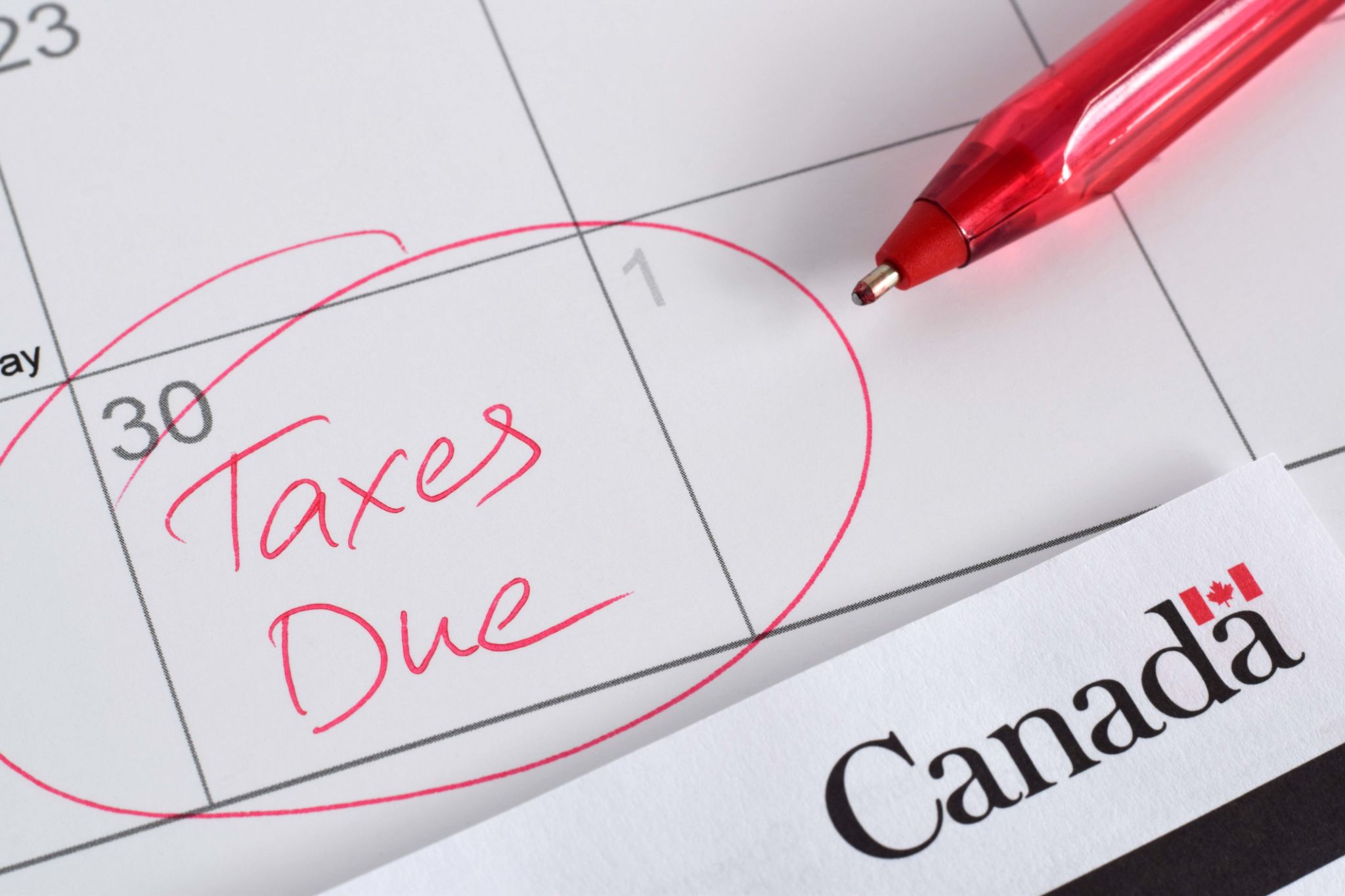
The Canadian tax year runs from January 1 to December 31. Filing your taxes accurately and on time is crucial, with the deadline typically falling on April 30 for most individuals. However, if you're self-employed, you have until June 15 to file, though any taxes owed must still be paid by April 30.
Types of Taxes
There are several types of taxes that individuals may need to be aware of, including:
- Income Tax: Levied on your earnings, including employment income, business income, and investment income.
- Sales Tax: Consists of the Goods and Services Tax (GST) and in some provinces, the Provincial Sales Tax (PST) or Harmonized Sales Tax (HST).
- Property Tax: Applied to property owners based on the value of their property.
Determining Residency for Tax Purposes
Residency status is key in determining your tax obligations in Canada. Newcomers are often classified as residents for tax purposes if they establish significant residential ties, such as a home or family in Canada. The CRA provides guidelines to help determine your residency status.
If you're considered a resident for tax purposes, you'll need to report your global income. Non-residents, on the other hand, are typically only taxed on income earned within Canada.
Filing Your Taxes
Filing taxes in Canada can be done online using certified tax software or by mailing a paper return. The CRA's online platform, My Account, offers a convenient way to track your tax information and communicate with the agency.
When filing, ensure you have all necessary documents, such as T4 slips from employers, receipts for deductions, and any other relevant income statements. Newcomers may also be eligible for various credits and benefits, such as the Canada Child Benefit or the GST/HST credit.

Seeking Professional Help
Understanding and navigating the Canadian tax system can be challenging, especially for newcomers. Seeking assistance from a tax professional or accountant can be beneficial. They can provide personalized advice and ensure compliance with all tax regulations.
Additionally, many community organizations offer free tax clinics for newcomers, providing support and guidance during tax season.
In conclusion, while the Canadian tax system may seem daunting at first, familiarizing yourself with its basics and seeking help when needed can ease the process. Proper understanding and compliance will ensure you can focus on building your new life in Canada with confidence.